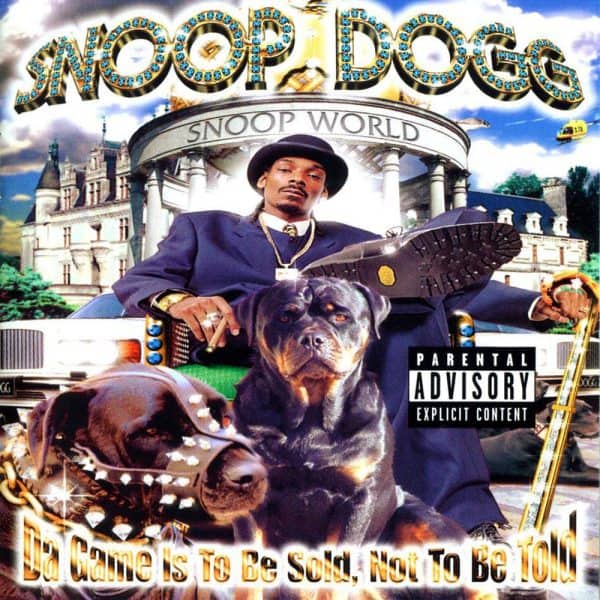
On August 4, 1998, Snoop Dogg dropped his third studio album, Da Game Is To Be Sold, Not To Be Told—his first under Master P’s No Limit Records imprint. Though the project received mixed reviews at the time, the album marked a pivotal turning point in Snoop’s career, symbolizing his emancipation from the Death Row era and ushering in a new phase of artistic independence.
The transition wasn’t just a label swap. It was a cultural shift. Following the release of his sophomore LP Tha Doggfather, Snoop found himself at odds with the inner workings of Death Row Records. With Dr. Dre exiting the label and Suge Knight tightening his grip on operations, Snoop grew disillusioned. Despite his massive contributions to the label’s success, he was handed cars and jewelry in place of proper royalties, leading to a quiet but firm rebellion. His refusal to pen another lyric for Death Row was loudest in the unreleased track “F*ck Death Row,” making it clear his time there was up.
Enter No Limit Records. In 1998, Snoop took his talents to New Orleans and linked with Master P, who was steering the hottest label in the game. No Limit had already flooded the market with successful projects from Silkk the Shocker, Mystikal, and P himself. The addition of a West Coast heavyweight like Snoop Dogg was nothing short of a power move. It was Hip Hop’s version of a blockbuster free-agent signing—LeBron to Miami before it was even a thought.
The result? Da Game Is To Be Sold, Not To Be Told debuted at No. 1 on the Billboard 200, selling over 520,000 units in its first week. Critics may have side-eyed the album’s departure from the G-Funk blueprint that made Snoop a household name, but fans couldn’t deny the reach. The project showcased a retooled Snoop: same slick flow, but draped in No Limit camouflage with Southern bounce under his verses.
Though not his most celebrated album, Da Game… was a statement. Snoop showed he wasn’t just a product of Death Row or a West Coast capsule. He crossed regional lines and thrived in an era where East vs. West vs. South still divided the culture. With Master P’s marketing savvy and Snoop’s proven star power, the album went on to sell nearly 4 million copies in the U.S. and cemented Snoop as a national icon, not just a West Coast legend.
This album didn’t just keep Snoop afloat. It proved his game was to be sold, not told.