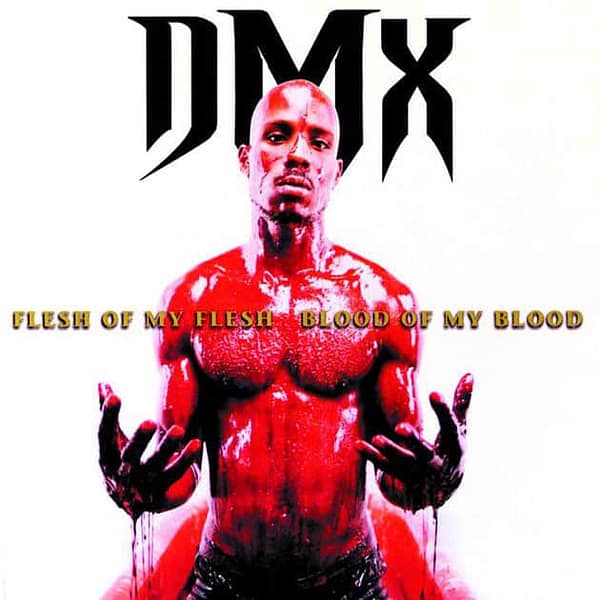
On this date in 1998, Earl DMX Simmons released his sophomore album Flesh Of My Flesh Blood Of My Blood under the Def Jam and Ruff Ryders imprint, a project that would go on to define one of the most dominant stretches in Hip Hop history. Now celebrating its 25th anniversary, the album stands as a reminder of how quickly DMX moved from breakout star to undeniable force.
Released less than a year after his debut Its Dark and Hell Is Hot, DMX returned with a darker and more emotionally raw body of work that captured both his inner turmoil and his growing stature in the game. Flesh Of My Flesh Blood Of My Blood shipped gold in its first week and remained at the top of the charts for nearly a month, reinforcing the idea that his debut success was no fluke.
Produced by Irv Gotti, Dame Grease, and Swizz Beatz, the album debuted at number one on the Billboard Top 200, matching the chart performance of his debut. At the time, that accomplishment had only been achieved once before, by Tupac Shakur with All Eyez On Me and The Don Killuminati The 7 Day Theory. DMX joining that short list spoke volumes about his impact and momentum during that era.
The album was anchored by the haunting and deeply personal single Slippin, a song that peeled back the layers of DMX’s struggles, pain, and survival. Swizz Beatz also delivered the gritty No Love 4 Me featuring Ruff Ryders newcomer Drag On, adding to the album’s hard edged but emotionally charged balance. Beyond radio and retail success, Flesh Of My Flesh Blood Of My Blood was also the soundtrack to a pivotal moment in DMX’s career, as it was in heavy rotation during his film debut alongside Nas in the cult classic Belly.
Twenty five years later, the album remains a defining chapter in DMX’s legacy and a cornerstone of the Ruff Ryders era. It captured the hunger, chaos, and conviction of an artist moving at full speed, unfiltered and unapologetic.
Salute to the entire Ruff Ryders camp and to the Dark Man X himself for delivering a timeless Hip Hop classic that continues to resonate a quarter century later.