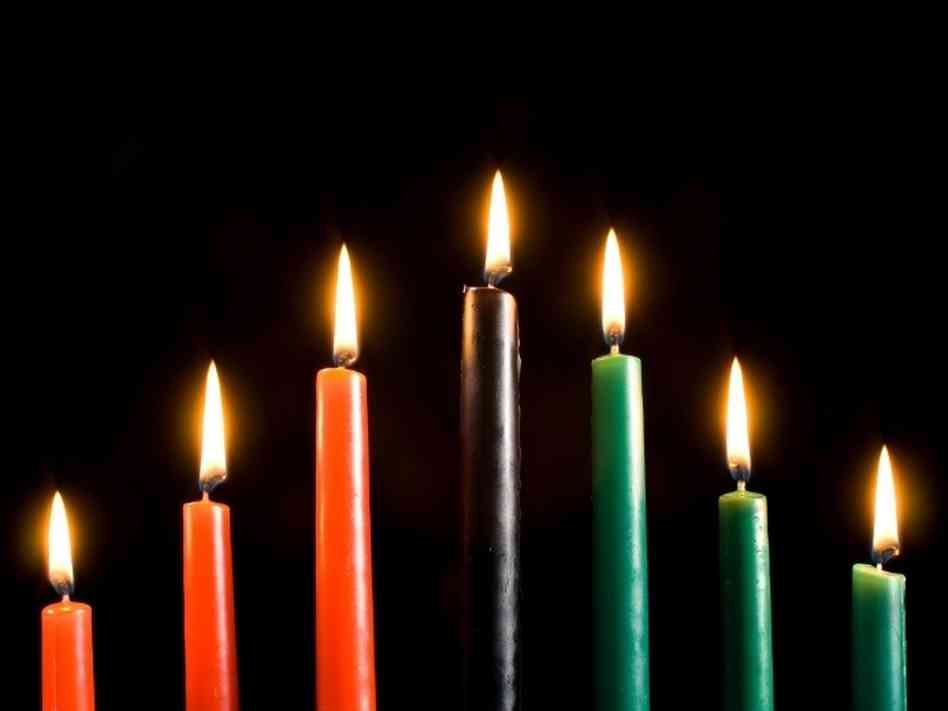
Today marks the beginning of Kwanzaa, the cultural and reflective celebration rooted in the Nguzo Saba, or Seven Principles.
Kwanzaa is a cultural holiday, not a religious or political one. It was created during the mid 1960s in the United States by educator Dr. Maulana Karenga, at the height of the Civil Rights Movement and the Black empowerment era shaped by figures such as Malcolm X and organizations like the Black Panther Party. Kwanzaa was established as a way for African Americans to reconnect with their African heritage, affirm cultural identity, and strengthen unity within the community.
Dr. Karenga, who serves as chair and professor of African American Studies at California State University Long Beach, developed Kwanzaa to help bring African Americans together in pride and purpose. The holiday was designed to counter generations of cultural erasure that occurred during slavery in North America and the Caribbean, when African traditions, language, and history were deliberately stripped away. Kwanzaa offered a way to reclaim that heritage and restore a sense of collective identity and dignity.
The principles of Kwanzaa are inspired by ancient African harvest celebrations, particularly a seven day observance rooted in Swahili traditions. Dr. Karenga drew from these longstanding ideas, adding contemporary meaning to create a celebration that has grown into a widely respected cultural observance.
Kwanzaa begins each year on December 26 and concludes on January 1. Its symbols reflect African harvest traditions, including ears of corn and colorfully woven tablecloths. Families prepare and decorate their homes while engaging in daily reflection centered on the seven principles.
These principles are grounded in African heritage and what Dr. Karenga describes as a communitarian African philosophy, representing the best of African thought and practice in dialogue with the world. Collectively, they are known as Kawaida, a Swahili term meaning tradition and reason.
Umoja, or unity, emphasizes maintaining harmony within the family, community, nation, and race, countering the division historically imposed through slavery.
Kujichagulia, or self determination, focuses on defining ourselves, naming ourselves, creating for ourselves, and speaking for ourselves as a way to reclaim culture and agency.
Ujima, or collective work and responsibility, calls for building and maintaining community together and addressing shared challenges collectively.
Ujamaa, or cooperative economics, encourages building and supporting Black owned businesses so that prosperity is shared.
Nia, or purpose, centers on committing collective efforts toward rebuilding and strengthening the community.
Kuumba, or creativity, urges individuals to contribute beauty and improvement to the world they inherit.
Imani, or faith, stresses belief in people, leadership, ancestors, and the righteousness of collective struggle.
One of the most important symbols of Kwanzaa is the Kinara, a wooden candle holder that holds seven candles. The center candle is black, symbolizing unity. Three red candles represent struggle, and three green candles represent hope and the future.
Each day of Kwanzaa focuses on one candle and one principle. The first day centers on unity and shared reflection. The second day emphasizes tradition and self determination. The third day focuses on collective goals. The fourth day highlights family and responsibility. The fifth day centers on dreams and purpose. The sixth day celebrates creativity. The seventh day concludes with a communal feast honoring faith and togetherness.
Happy Kwanzaa and Happy Holidays from The Source.