Source: https://chatgpt.com AI generated
On a crisp Tuesday morning in Manhattan, 16‑year‑old Ava walked into her high school cafeteria clutching her phone like past generations carried good report cards. Not textbooks. Not lunch money. Her eyes were glued to an app that has quietly become a barometer of teenage self-worth: Instagram.
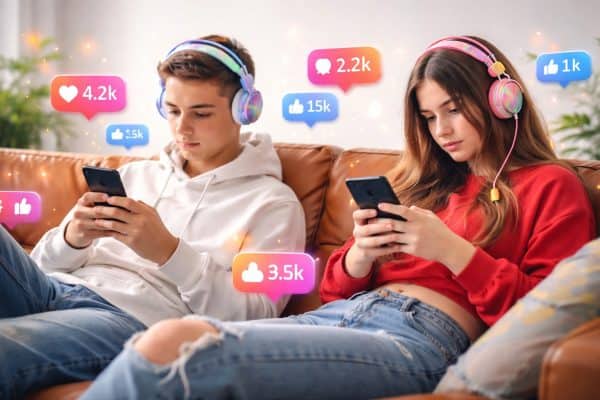
For Ava, likes are more than numbers; they are reassurance. A surge of notifications can lift her mood instantly, while a post that barely registers can leave her feeling overlooked. “If a post doesn’t get any likes, it’s like I wasn’t even there,” she admits.
Recent studies show that the same brain reward circuits activated by winning money or eating chocolate light up when teens see a post with hundreds of likes. This neural feedback reinforces the connection between external validation and internal self-esteem, a connection that psychologists warn is particularly powerful and potentially dangerous in developing minds.
The widespread use of social media among adolescents and teenagers has become a growing public health concern, with issues such as depression, anxiety, and loneliness increasingly recognized as significant public health challenges.
Likes as Currency in the Teen World
Instagram likes have become social currency. A post with hundreds of likes can feel like winning a prize, while low engagement can feel like rejection.
For teens like Ava, every like counts. Some even turn to services that can boost engagement. Reputable platforms such as BuzzVoice allow users to purchase Instagram likes to kickstart visibility, while BuySocialMediaMarketing provides targeted likes that can help a post reach a wider audience.
Content creation, especially visual storytelling through photos and videos is central to Instagram’s appeal for teens, as it offers a way to engage audiences and build a sense of community. While these services don’t replace authentic connections, they are increasingly part of the teen social media landscape.
“I know some friends who get upset if their posts don’t perform,” says Ava. “It’s like… you’re either seen or invisible, and that can feel really unfair.” The quest for social approval through likes is linked to increased anxiety and depression, especially among heavy Instagram users.

Source: Canva (Custom Graphics)
The Pressure of Social Comparison
Instagram thrives on social comparison, which can distort self-perception. Teens often measure themselves against curated images of peers or influencers. Most people only share the highlights of their lives online, making it easy for teens to feel their own lives fall short by comparison. A 2025 PubMed review found that social media use correlates with both positive outcomes, like creativity, and negative ones, including increased anxiety and decreased self-esteem.
Body image and self-esteem are especially impacted for some groups. Teen girls, compared to their male counterparts, are more likely to report that social media negatively affects their confidence and body image.
Liam, a 17-year-old from Chicago, shares his experience:
“Sometimes I spend hours editing a photo, trying to make it perfect, just to see only a few likes. It’s frustrating because you feel like you’re invisible even though you tried so hard. You start questioning everything, even your friends’ likes, wondering if they really care.”
Teen girls are more likely than boys to report that social media negatively affects their confidence and body image. High likes on appearance-focused posts can temporarily boost self-esteem, but low likes can worsen body dissatisfaction, especially for teen girls.
For teens feeling stuck in this loop, purchased likes have emerged as a tempting solution. Services like BuzzVoice and BuySocialMediaMarketing promise an instant boost, helping posts appear popular and visible.

Source: Canva (Custom Graphics)
Algorithmic Influence on Self-Worth
Instagram’s algorithms curate what teens see, often amplifying content that triggers engagement. Internal studies and external research suggest that users who feel insecure about body image are shown more content that may exacerbate dissatisfaction.
This means that every scroll can subtly reinforce self-doubt. Teens like Ava are navigating a system where social visibility often equals social value. Patterns of social media usage can significantly influence adolescent self-worth, affecting emotional regulation and mental health.
Even for teens who are confident offline, constant exposure to highlight reels online can create stress.
“You know the world isn’t perfect,” says 16-year-old Harper from Seattle, “but Instagram tricks your brain into thinking it is. You can’t help but compare.” In the process of identity formation, many teens adopt false personas to gain approval on social media, which can hinder authentic identity development and lead to a fragmented sense of self.
Mental Health Impact and Teen Voices
The mental health consequences are significant. Anxiety, mood disturbances, and body image issues are all tied to the relentless pursuit of likes. Depression is also increasingly reported among youth, with social media use, especially on platforms like Instagram, contributing to feelings of depression, low self-esteem, and emotional distress.
Parents report hearing familiar refrains: “I didn’t get enough likes,” or “She got more likes than me, why didn’t mine perform?” These seemingly innocuous expressions of disappointment can signal deeper struggles with identity and emotional well-being among youth.

Source: https://www.pexels.com/photo/man-in-black-hoodie-and-blue-denim-jeans-sitting-on-brown-wooden-floor-7279114/
Yet, not all experiences are negative. Some teens use Instagram for connection, creativity, and self-expression. Mia, 15, says:
“I love sharing my art. Likes are nice, but seeing a friend comment or share something personal with me feels better than hundreds of random likes. Real engagement matters more than numbers.”
Balancing the emotional highs of likes with the lows is part of modern teen life. Social media can also exacerbate feelings of loneliness and social isolation among youth. Education on digital literacy, awareness of algorithms, and open conversations with parents are key strategies to help teens navigate this complex world.
The Effects of Low Self Esteem
Low self-esteem is a growing concern for many teens and young adults navigating the pressures of social media platforms. This relentless focus on online validation can have a negative impact on mental health, leading to increased anxiety, depressive symptoms, and a diminished sense of well-being.
Low self-esteem doesn’t just affect how teens feel about themselves, it can influence their relationships, academic performance, and willingness to take healthy risks. For some, it may even lead to risk taking or social isolation as they withdraw from real life interactions in favor of online approval.
To support teens struggling with low self-esteem, it’s crucial for parents, educators, and mental health professionals to talk openly about the challenges of social media.
Encouraging offline activities like sports, creative hobbies, or spending time with friends can help teens develop a stronger sense of self that isn’t tied to their online presence. Promoting body positivity and self-acceptance, especially among adolescent girls, can counteract the harmful effects of unrealistic beauty standards and help teens build resilience.
Navigating Growth vs. Authenticity
For some teens, Instagram is not just about self-expression, it’s about strategy. Young influencers or aspiring content creators often look for ways to increase reach. Services like BuzzVoice and BuySocialMediaMarketing provide tools to grow visibility and engagement. Used responsibly, these platforms can support a teen’s social or creative ambitions.
“I started using a growth service for my art page,” says Ava. “It helped me get noticed at first, but I realized real friends and supportive followers mattered more in the long run.”
This dual reality, the pressure to perform versus the desire for genuine connection defines social media for many teens today. It’s not just about numbers; it’s about feeling seen, valued, and connected.
Toward Solutions: Awareness, Education, and Regulation
Solutions are emerging on multiple fronts:
- Digital literacy programs: Schools now teach how algorithms work, why likes can be misleading, and how to maintain healthy online habits.
- Platform design changes: New tools, like “reality mode” feeds, prioritize authentic content and reduce comparison pressures.
- Parental guidance: Encouraging open conversations about likes, self-worth, and digital habits.
- Regulatory oversight: Policymakers are pushing for protections to make social media less exploitative for minors.
- Establishing technology-free zones: Creating technology-free zones in the home can help reduce screen time and promote family interaction.
Maintaining a healthy balance between online and offline activities is crucial for supporting adolescent mental health and preventing negative effects associated with excessive Instagram use. Additionally, problematic social media use and low self-esteem can increase the risk of substance use as a coping mechanism for stress, anxiety, or feelings of inadequacy.

Source: https://www.pexels.com/photo/close-up-shot-of-an-ipad-on-a-blue-surface-4771460/
Are There Positives on Social Media?
While social media often gets attention for its risks, it also offers meaningful benefits for teens. Platforms like Instagram allow young people to express creativity, share art, music, and writing, and explore communities that align with their interests.
Teens can maintain friendships, even long-distance, and find support networks for issues they might not discuss offline, such as mental health, identity, or hobbies. Through a process of interest-driven engagement, teens can use social media to build confidence and community by connecting with like-minded peers and participating in positive interactions.
Social media also helps teens build confidence, gain recognition for their talents, and feel a sense of belonging. When used mindfully, these platforms can enhance social connection, provide inspiration, and foster opportunities for personal growth.
Conclusion: Finding Value Beyond the Feed
Instagram likes are both a mirror and a measurement tool in teen lives. For many, these numbers shape emotional well-being, social interactions, and self-perception, sometimes in unhealthy ways.
The process of identity formation is deeply influenced by these interactions, making it crucial for teens to maintain a healthy balance between their online and offline lives. Yet, for teens who want to grow accounts strategically, reputable services like BuzzVoice and BuySocialMediaMarketing offer opportunities to increase visibility.
Ultimately, whether teens rely on natural engagement or growth services, the key message remains: self-worth extends beyond likes. Teens who balance digital engagement with offline experiences, supportive friendships, and self-reflection are more likely to cultivate resilience, confidence, and lasting satisfaction both online and in real life.