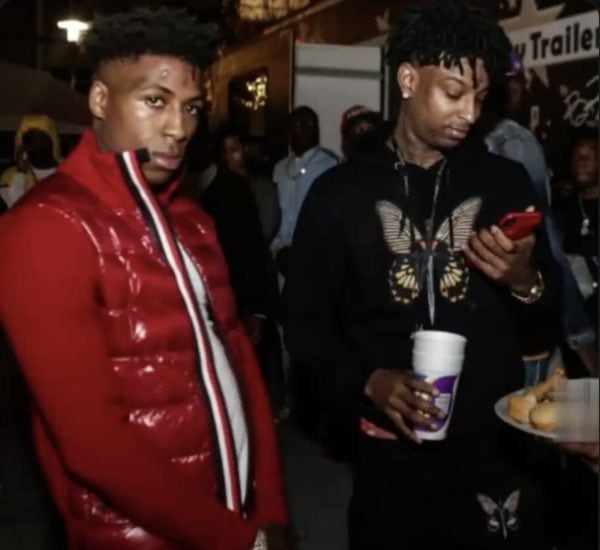
NBA YoungBoy has weighed in on Atlanta rapper 21 Savage’s controversial “F*ck the streets” messaging, making it clear where he stands on the concept of street credibility and loyalty.
The exchange follows a wave of reaction sparked by 21 Savage’s recent comments online, where he appeared to push back against certain street ideals and affiliations in the wake of his WHAT HAPPENED TO THE STREETS? album rollout and broader commentary about the culture.
When asked about the “F*ck the streets” sentiment in recent clips circulating online, YoungBoy didn’t hold back. Instead of distancing himself from the streets or criticizing them, the Baton Rouge rapper doubled down on his ties, responding bluntly, “I am the streets, I love the streets.” In some reposted footage, YoungBoy went even further, dismissing the phrase as irrelevant and making it clear that his identity and music are rooted in the very culture 21 Savage appeared to question.
YoungBoy’s comments reflect a long-standing theme in his career: authenticity and allegiance to his roots. Throughout his rise from the streets of Baton Rouge to national prominence, the rapper’s narrative has often emphasized survival, loyalty, and lived experience; not just perception or branding. That perspective stands in contrast to 21 Savage’s remarks, which some interpreted as an attempt to critique outdated street narratives or call for a shift in how artists discuss loyalty and credibility with respect to violence and “street” identity.
The two positions have energized fans and ignited debate on social media. Some listeners interpreted 21 Savage’s comments as a call for progress beyond glorification of violence, while others saw them as dismissive of the very culture that informs much of hip-hop’s authenticity claims. YoungBoy’s response, that he embodies and embraces the streets, aligns with the sentiments of fans who believe that staying true to origin stories remains central to many artists’ identities.
Neither YoungBoy nor 21 Savage has expanded on the exchange beyond these social reactions, but the back-and-forth highlights a larger conversation within the culture around loyalty, identity, and what it means to represent the streets in music today.
As the debate continues online, one thing is clear: in the rap community, both statements, whether critique or affirmation, carry weight and artists will always be measured not just by what they say, but by how their audiences interpret it.