Open a social feed, and you’ll notice something that feels almost routine now: new lips, sharper noses, and sculpted faces that seem designed by the same invisible artist. This shows how far culture has gone in normalizing plastic surgery. It’s no longer whispered about or hidden behind clever camera angles. Celebrities and influencers now share aesthetic procedures as casually as new haircuts. Some call it empowerment. Others see it as conformity. The question is whether this growing transparency signals progress or a subtle loss of individuality. The fascination with images isn’t new, but its reach has never been so vast or so public.
From Secret to Shared: The Changing Narrative
Two decades ago, many famous figures denied cosmetic work outright. Even small changes led to tabloid speculation. Today, open discussion dominates space. Influencers post recovery videos and highlight each stage of transformation. It’s a culture that trades secrecy for content.
Younger audiences follow these journeys with curiosity and admiration. Transparency feels refreshing after years of hidden enhancements. Yet, this openness blurs the line between genuine self-expression and social pressure. The story has moved from rumor columns to carefully edited vlogs, showing that beauty has become both confession and commodity.
The Influencer Effect: Image as Capital
Influencers treat visibility as currency. Their value often lies in how perfectly their image aligns with audience expectations. What began as lifestyle sharing evolved into a business strategy. Viewers don’t just follow creators for advice anymore. They follow them for aspiration. This makes procedures part of branding.
When a famous content creator reveals a new look, thousands discuss it across platforms. Followers analyze the change, often considering similar treatments for themselves. As this loop repeats, it keeps normalizing plastic surgery through repetition and exposure. For some, that visibility gives confidence. For others, it plants doubt about what’s “natural” enough.
To see how the idea of transformation has expanded, look at the evolution of plastic surgery. Plastic surgery has evolved from early reconstructive work in ancient India and Europe to sophisticated modern techniques that emphasize safety, minimal invasiveness, and natural outcomes. Today’s innovations include 3D imaging for previsualization, advanced fat-grafting, robotic assistance, and stem-cell research, all of which point to a future of even more personalized, precise, and less invasive procedures.
Yay: Control, Confidence, and Choice
Supporters of this change celebrate the control it gives people over their appearance. They argue that feeling beautiful or confident shouldn’t be confined by genetics or luck. Celebrities speaking openly about their changes make cosmetic enhancement appear approachable. Surgeons emphasize safety, consultation, and moderation. That normal conversation helps remove outdated fears. For many, procedures no longer symbolize vanity but self-improvement.
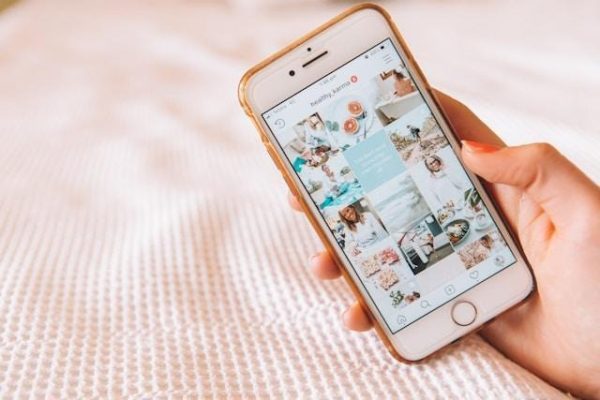
The social permission granted by stars and influencers allows fans to explore options without shame. This acceptance expands body autonomy in a world obsessed with visuals. Within that view, normalizing plastic surgery appears as progress, a sign of cultural maturity rather than excess.
Nay: Authenticity Becomes a Filter
Opponents see something more troubling beneath the glossy transparency. They argue that constant exposure to perfected faces erodes self-acceptance. When every influencer has a fashion brand, beauty starts to feel manufactured. Authenticity gets filtered, both literally and emotionally.
The effect ripples beyond screens. Young followers compare themselves against unattainable ideals. What began as a choice becomes pressure disguised as empowerment. Critics suggest that even honest influencers participate in a system built on insecurity. The cultural message subtly shifts from “you can change if you want” to “you should change to belong.” In this sense, normalizing plastic surgery risks reinforcing the very insecurities it claims to free people from.
The Middle Ground: Choice with Consequence
Between these views lies a complex truth. Surgery isn’t inherently bad, nor is it purely liberating. Its impact depends on motive and context. A person seeking confidence might find it through subtle enhancements. Another might fall into cycles of dissatisfaction fed by constant comparison. Regulation and transparency also matter. Influencers have immense influence but limited accountability.
Audiences deserve awareness of potential risks, costs, and recovery realities. Transparency must include honesty about complications, not only success stories. When that balance appears, normalizing plastic surgery could evolve into a form of informed choice rather than cultural pressure.
Social media thrives on transformation stories because they drive engagement. Before-and-after comparisons attract clicks. Algorithms reward visibility, not reflection. As platforms profit, the narrative becomes self-sustaining. The more people post their procedures, the more others feel inspired or pressured to join. This loop doesn’t stop unless the audience starts questioning why constant enhancement has become the norm.
Where Beauty Goes Next
Modern beauty no longer sits still. What once took place in quiet clinics now happens on livestreams. The audience watches, comments, and learns. This shared process creates community but also conformity. Technology continues to refine results, blurring human limits further. Tomorrow’s cosmetic trends may include AI-driven facial symmetry analysis or micro-adjustments guided by predictive imaging.
The idea of a “natural” face may fade into nostalgia. In that sense, normalizing plastic surgery becomes not only a cultural trend but a technological inevitability. Yet, the decision remains human. Behind every filter and procedure lies a personal reason — sometimes empowerment, sometimes insecurity, sometimes both.
The Gist of It
Maybe the real question isn’t whether plastic surgery is good or bad. It’s whether society can handle visibility without judgment. Beauty trends will always evolve, but meaning depends on how people interpret them. If self-expression stays honest and informed, progress continues. If conformity drives the change, individuality fades. As these lines blur, what remains essential is awareness. The mirror has never been more public, but choice still belongs to each person facing it. And in this ongoing debate, the truth about normalizing plastic surgery continues to shape how culture defines beauty itself.
https://www.researchgate.net/publication/11692204_Permissions_and_the_social_context