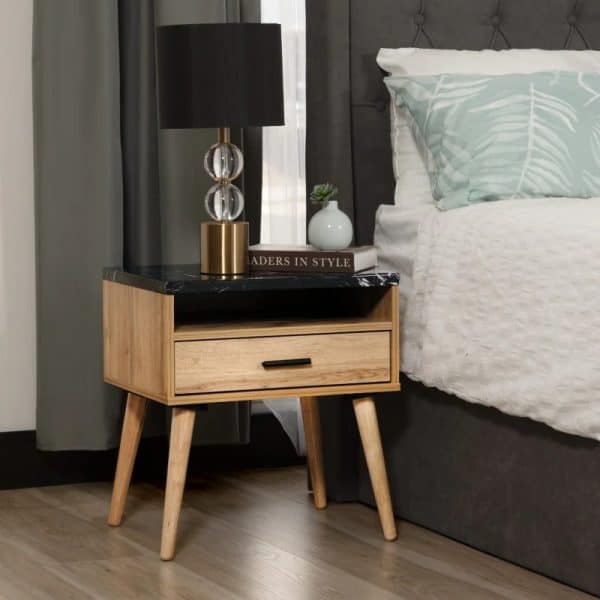
Light plays a defining role in a bedroom’s atmosphere. It shapes softness, highlights texture, and influences how different elements settle within the room. Among these elements, the bedside table holds a distinctive place. It may seem modest in scale, yet it interacts with light in ways that affect both clarity and comfort. The form, finish, and placement of a bedside table guide how light moves, how shadows fall, and how restful the room feels at different times of day.
Across many Australian homes, bedrooms are designed to support calm, privacy, and gentle rhythm. The bedside table becomes part of this rhythm, shaping how light is absorbed, reflected, or softened. Understanding how shape, shadow, and surface influence light helps reveal why the bedside table is far more than a functional companion to the bed. It is a quiet architectural detail that supports the atmosphere of the entire room.
How Shape Influences Light and Visual Ease
The shape of a bedside table affects how light travels across its form. Rounded tables soften the room by creating smooth transitions in shadow. Their curved edges diffuse light gradually, making the space feel gentler and more fluid. This shape is especially effective in bedrooms that aim for openness and calm, where strong angles might feel too rigid.
Square or rectangular tables introduce structure. Their clean edges shape sharper shadows, adding definition to the room. This clarity can help anchor the space and suit bedrooms that use symmetry or minimal lines. When paired with a soft lamp glow, straight-edged tables create a balanced combination of contrast and quietness.
More sculptural forms influence the room in their own way. Tables with cutouts, open shelves, or layered designs shape pockets of shadow that bring visual interest. The play between negative space and light contributes depth without overwhelming the eye. Each shape guides how the room feels when natural or artificial light moves across it.
The Role of Shadow in Creating Calm
Shadow is one of the most powerful tools in shaping the bedroom atmosphere. Soft shadows make the room feel serene. Deeper shadows introduce grounding and focus. The bedside table interacts with both types, depending on its design.
A table with open sides casts gentle shadows on the wall or floor. These shadows shift subtly as the angle of light changes, adding a small sense of movement that feels natural and calming. Tables with solid sides or thicker legs cast stronger shadows, visually anchoring the space and giving the bedroom a sense of stability.
The height of the bedside table also affects the shadow it casts. A taller table lifts the shadow upward, supporting more even illumination. A shorter table creates a stronger pool of shadow at floor level, which can make the room feel more intimate. Each variation influences the room in quiet, noticeable ways.
Shadow softens the bedroom by reducing visual intensity. When paired with thoughtful lighting, the bedside table helps shape a room that feels restful and well-composed.
Surface Texture and How It Reflects or Absorbs Light
The surface of the bedside table affects how light behaves. Smooth surfaces reflect light softly across the room. Timber grain catches light in natural patterns, giving warmth and variation. Matte finishes absorb light, creating a sense of stillness. Gloss or lacquered surfaces reflect light more clearly, adding a touch of brightness.
Timber tables contribute warmth and familiarity, especially when the grain softly interacts with light. The variation in grain produces delicate highlights that make the surface feel natural and lived in. Stone surfaces, such as marble, create a cooler and more grounded effect. Their subtle veining adds depth, while their reflective qualities brighten the space in gentle ways.
Metal accents influence how crisp the light feels. Brushed metal softens reflections, while polished surfaces reflect more clearly. Fabric-lined or woven textures absorb light, bringing calm and reducing glare.
The right combination of surface and light ensures the bedside area feels balanced, neither too bright nor too subdued.
How Lighting Placement Shapes the Interaction
Lighting placement determines how effectively the bedside table supports the bedroom atmosphere. A table lamp placed directly on the surface highlights the table’s material, shape, and texture. It creates a pool of light that improves visibility while casting shadows that contribute depth. Warm bulbs soften the edges and make the space feel restful.
Wall-mounted lights or pendant lights direct light downward or across the table, influencing how shadows fall. This type of lighting can lift focus upward or create gentle gradients across the table. In smaller rooms, overhead or wall lighting keeps the surface clear while maintaining clarity.
Natural light also plays a part. Morning light softens the table’s surface, bringing out subtle details in wood or stone. Late afternoon light creates longer, more expressive shadows. The bedside table interacts with this natural rhythm, supporting the room’s transition from day to evening.
Pairing Bedside Tables With Lamps and Decorative Elements
Decoration on the bedside table influences how light behaves on and around it. A lamp with a wide shade spreads light evenly, softening shadows. A lamp with a narrow shade introduces downward focus, shaping strong yet contained pools of light.
Objects placed on the table interact with light in their own ways. Ceramic items catch highlights softly. Books absorb light. Glass decor reflects light gently and adds brightness. The combination of these elements creates a visual landscape that shifts throughout the day.
The goal is balance. Too many reflective items can make the area feel overly bright. Too many matte elements can create heaviness. A blend of both keeps the bedside area clear and visually connected to the rest of the bedroom.
Why the Bedside Table Matters More Than It Appears
The bedside table affects the bedroom in ways that are easy to overlook. It influences circulation, supports daily routines, and anchors the space beside the bed. It guides light, shapes shadows, and adds depth to the room. These qualities make it an important part of any bedroom layout, contributing both function and atmosphere.
Understanding these subtleties allows the bedside table to become part of a well-considered design that supports calm, comfort, and visual clarity.
A Quiet Detail That Completes the Bedroom
A bedroom gains much of its character from quiet details that work in harmony. The bedside table, with its interaction of shape, shadow, and surface, supports the room’s softness and adds depth to its design. Its influence grows when paired with thoughtful lighting and intentional placement.For readers who value how small details shape the calm and balance of a bedroom, Shopica offers options guided by the same sense of thoughtful design and quiet visual intention.