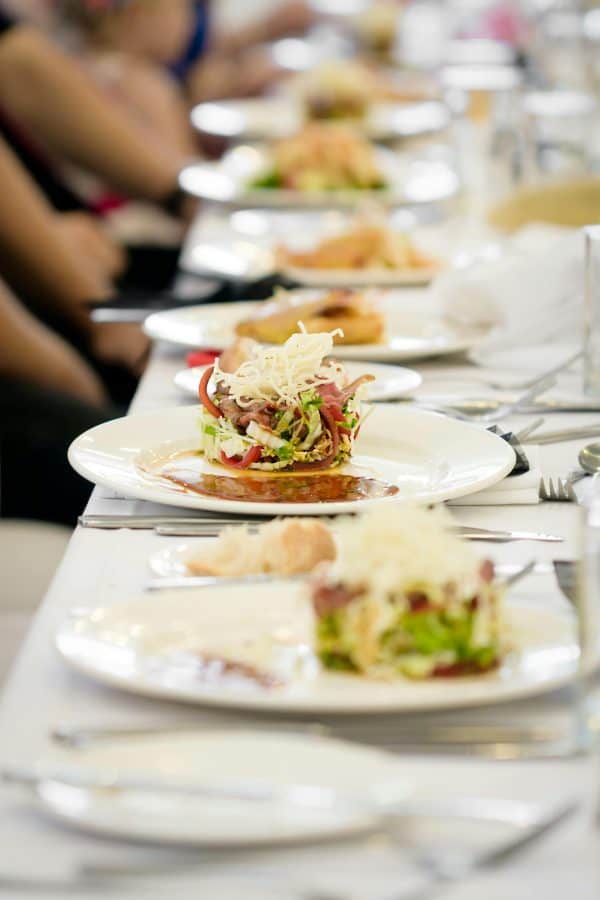
Chefs and Bartenders Champion New Techniques for Elevating Fine Dining
Artisan spirits are emerging as a top contender for sophisticated meal pairings, challenging the traditional wine-only approach and opening the door for innovative culinary experiences. From bold whiskeys with heritage meats to floral gins alongside delicate cheese courses, experts say a well-chosen spirit can transform the dining table.
Driving the Trend
Flavor balance is at the heart of this movement. According to culinary specialists, matching dishes with complementary—or even contrasting—spirits can accentuate hidden flavor notes on both sides. Chefs in farm-to-table kitchens have long relied on local, seasonal ingredients to craft dishes that capture a moment in time. Now, bartenders and beverage directors are following suit, infusing cocktails with everything from handpicked herbs to small-batch bitters.
“Think of your cocktail or spirit like the backing vocals to your meal—sometimes it should harmonize, and other times it’s exciting to let it stand out on its own,” says Pauline Martin Rodriguez, a Barcelona-based mixologist and bartending consultant for DrinksWorld.com.
How to Pair Like a Pro
Below is a quick-reference guide for pairing high-end foods with specialty spirits. It’s designed to help both home cooks and professional chefs think beyond wine when building a memorable menu.
- Artisan Cheeses
- Soft & Creamy (e.g., Brie, Camembert): Opt for a floral gin or a bubbly gin-based cocktail; the effervescence cuts through the richness.
- Aged & Sharp (e.g., Cheddar, Gouda): Look for a mildly smoky whiskey or bourbon with vanilla undertones to complement the cheese’s tang.
- Blue Cheese (Gorgonzola, Roquefort): Sweet liqueurs or port-finished whiskeys create a contrasting flavor that tames saltiness.
- Heritage Meats
- Cured Meats (Salami, Prosciutto): Citrus-heavy cocktails (gin or rum with lemon/lime) help brighten the palate and offset salt.
- Hearty Red Meats (Steak, Lamb): Bold whiskeys or bourbon-based cocktails can handle the intense flavors.
- Smoked Poultry (Duck, Turkey): Slightly sweeter or fruit-forward spirits—think lightly aged rum—balance out smokiness.
- Seafood
- Light, Flaky Fish (Cod, Sole): Crisp vodka or gin cocktails, preferably with herbal infusions, keep the dish feeling light.
- Shellfish (Shrimp, Crab, Lobster): Go for gin’s botanical brightness or a mild citrus liqueur to highlight natural sweetness.
- Rich Fish (Salmon, Tuna): A gently aromatic whiskey or Japanese-style gin can pair well, provided the spirit isn’t overly peated.
Insider Techniques
Experts from DrinksWorld.com recommend a few strategies for flawless pairings:
- Temperature & Dilution:
- Serving cocktails at colder temperatures can soften strong alcohol notes, ensuring your meal remains the star of the show.
- Seasonal Adjustments:
- Just like dishes, cocktails need to suit the season. Light, citrus-forward drinks for spring/summer, and warmer, spiced options for fall/winter.
- Garnish Synergy:
- Use herbs, citrus peels, or aromatic spritzes that echo elements already in the dish, tying the meal and the drink together.
Where to Learn More
Whether you’re curious about advanced flavor combinations or need help mastering mixology basics, bartending courses at DrinksWorld.com dive deeper into the art of pairing. From discovering unconventional spirit flavors to tweaking a classic recipe for the perfect fit, these guides offer a look under the hood of professional bartending.
The Bottom Line
Pairing fine dining dishes with artisan spirits is more than just a trend; it’s a creative approach that allows flavors to unfold in fresh, unexpected ways. As chefs and bartenders continue to experiment with seasonal ingredients and unique spirits, diners can look forward to an expanding universe of taste—one where a carefully selected whiskey or craft gin might just become the new standout on the table.