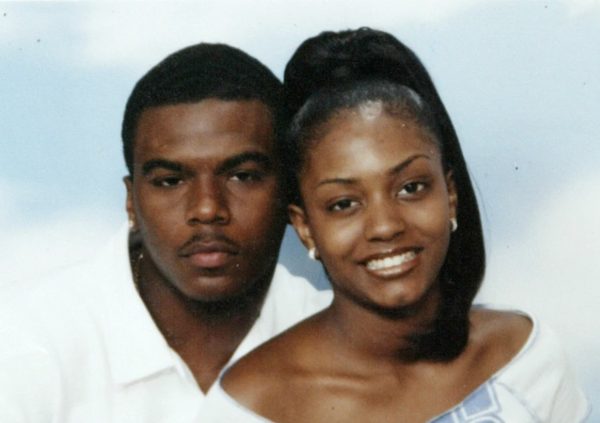
Today marks 19 years since the tragic killing of Sean Bell, the 23-year-old Queens native whose life was taken by NYPD officers in a hail of fifty bullets on the morning before his wedding. His death on November twenty five, two thousand six, remains one of the most painful examples of police violence in New York City and a defining moment in the long fight for justice and accountability.
Bell had been celebrating with friends at a club in Jamaica Queens hours before his wedding. As he and his two closest friends drove away, undercover officers from the New York Police Department opened fire on their car, striking Bell multiple times and wounding Joseph Guzman and Trent Benefield. No evidence of a weapon was ever found. No criminal activity was ever confirmed. The use of deadly force became the center of national outrage, protests, and a renewed conversation about race, policing, and the value of Black life.
The officers involved were later acquitted of all criminal charges in a bench trial, a decision that left the Bell family and many across the city devastated. The case became a rallying point for activists, civil rights leaders, and community organizers, including national figures such as Al Sharpton, who helped lead marches and vigils demanding systemic change. The city eventually reached a civil settlement with Bells family, but no resolution could ever account for the loss of a son, a partner, a father, and a young man whose entire future was taken from him.
Nineteen years later, the name Sean Bell still echoes in conversations about police reform and the ongoing work to protect communities of color. His story serves as a reminder of the lives altered and the families shattered by excessive force, and of the long list of names that followed him in the years since. Every anniversary brings back the weight of that morning and the reality that he should have lived to see his wedding day, to raise his children, and to grow into the life he was planning.
We remember Sean Bell today with love, with sorrow, and with a commitment to never let his story fade. His name remains part of the larger push for justice, accountability, and the protection of every life that comes into contact with law enforcement.