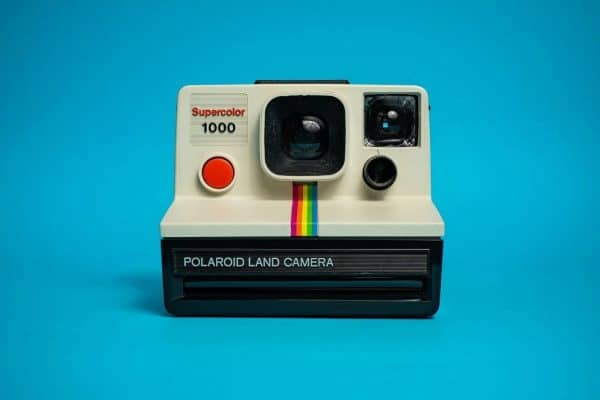
Correct us if we’re wrong, but you probably have at least one friend who has bought a vintage Polaroid camera in the last couple of months. They swear the colors feel warmer, the clicks sound better, and that 15-minute wait before the image is fully developed makes photos matter again. That single purchase often opens a wider door. Old gadgets start to appear on desks and shelves. Tape players return to cool backpacks. Clunky keyboards replace thin ones. The idea of vintage tech stops feeling odd and starts feeling normal. This switch didn’t come from pure chance. It came from people who, once again, wanted tools with limits, weight, and visible function. They wanted machines that show their work. This article will take a look at why older devices return, what pulls people back, and what that says about modern habits and shared memory.
Old Designs, New Respect
Technology rarely disappears forever. Some forms rest, then return with new meaning. Many once-popular devices have lost attention after faster tools arrived. Digital cameras pushed film aside. Mobile phones absorbed music players and recorders. For a while, progress looked final. Yet interest circles back. People now search for texture, effort, and intent in their tools. This explains why stores and forums talk about vintage camcorders still worth buying. These machines ask users to plan shots and accept flaws. The result feels earned. Older hardware also shows clear design logic. Buttons do one thing. Parts feel solid. Repair feels possible. That clarity attracts users who feel lost inside sealed screens and hidden menus.
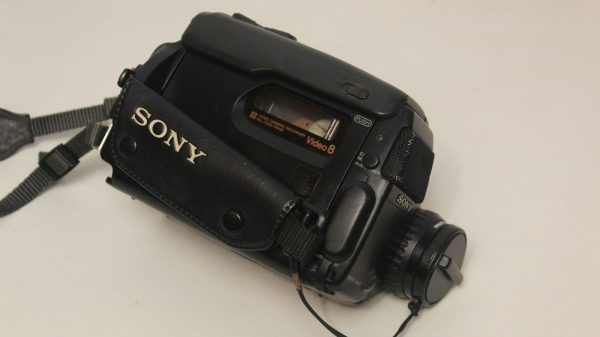
People of today seek tools with texture, effort, and clear intent.
Alt. text: A vintage Sony camcorder.
Limits That Shape Creativity
Modern devices promise endless options, while older ones refuse that promise. This refusal shapes behavior. A tape recorder offers one speed and one format. A film camera offers a fixed number of frames. Users adapt to these limits. They have to think first and act with care. Many artists say this process improves their focus. The object sets rules, and the user plays inside them. Vintage tech fits this mindset well. It prefers attention rather than speed. It rewards patience rather than constant output. People who work with sound, image, or text will often say older tools help them finish projects. The device doesn’t distract. It waits. That waiting changes the work itself.
Younger Generations and Old Devices
Interest doesn’t come only from those who remember these machines for the first time. Reports show that Gen Z also shows a strong interest in vintage tech. Many of them have grown up with touchscreens and cloud storage. They’ve never used tapes or film as daily tools. Yet they do search for them now. This choice speaks to fatigue. Always-on platforms demand response and display. Older devices stay offline. They exist in the room, not on a feed. Younger users describe relief when a tool can’t connect. They enjoy the act itself, not the result posted later. This behavior suggests a desire for presence and control rather than constant visibility.
Nostalgia Without Memory
Nostalgia is often linked to personal memory. In this case, it also links to shared history. Many users feel drawn to eras they never lived through. They will learn from images, films, and stories. Devices become symbols of a slower time. A cassette deck suggests long drives and mixed tapes. A bulky computer suggests learning by trial. People project meaning onto these objects. That meaning doesn’t require direct experience. It requires a story. Vintage tech carries a story well. Scratches show use. The sound signal process. These signs feel honest. They contrast with smooth screens that hide effort. The appeal lies in visible time, not just old function.
What This Says About Current Tools
The return of older devices sends a clear message. Many people feel modern tech offers too much and asks too much. Updates change tools without consent. Interfaces shift overnight. Features appear and vanish. This lack of control creates stress. Older machines don’t change unless broken. Their limits stay fixed. That stability feels safe. It also shows trust. Users know what the device will do tomorrow. This trust builds attachment. Modern companies watch this trend closely. Some release new products that copy old looks or functions. Yet copies miss the point. The value lies in age, history, and use, not surface style.

Many people feel modern tech is overwhelming.
Alt. text: A person sitting on the stairs.
Communities and Shared Knowledge
People rarely explore old devices alone. Online groups, local shops, and repair spaces support the return. Knowledge spreads through guides and stories. Users teach each other how to clean heads, replace belts, and source parts. This sharing builds connection. It also slows consumption. Instead of buying new, people fix old. This practice resists throwaway habits. Vintage tech becomes a social act, not a private one. The object links people across time and place. That link matters. It offers skill, patience, and shared purpose. These values feel rare in modern device culture.
The Emotional Pull of Physical Media
Physical media plays a strong role. Records, tapes, and disks demand space and care. They age. They also reward touch. Handling media creates ritual. Users choose, load, and listen with intent. This ritual shapes mood. It turns use into an event. Many say this process helps them slow down. Screens rarely offer that pause. Vintage tech supports physical interaction. Buttons click. Motors whir. Lights glow. These signals ground the user. The machine speaks through action. That dialogue feels human, even mechanical.
Looking Ahead by Looking Back
The return of older devices doesn’t mean people are rejecting progress. It questions direction. People don’t want fewer functions, but they do want a clearer purpose. They want tools that serve tasks without pulling attention away. Vintage tech shows that design once focused on use first. Its comeback suggests demand for restraint and clarity. The future may blend old values with new capabilities. Until then, these devices offer refuge and a lesson. They remind users that speed is not the only goal, and that meaning can live inside limits. Vintage tech endures because it answers needs that never vanished.