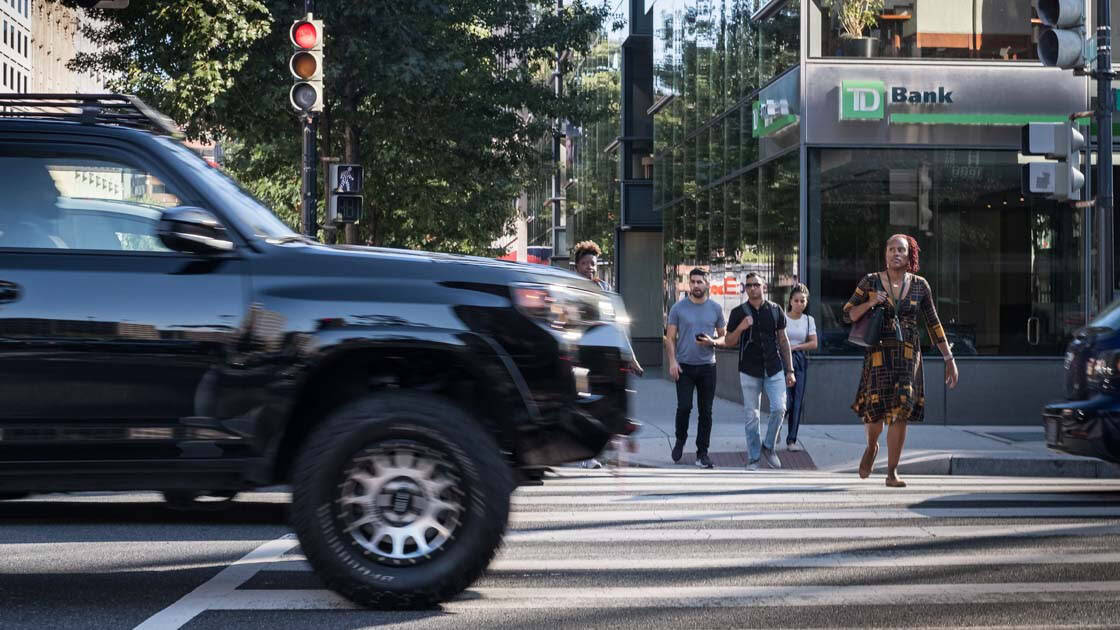
Recent research has highlighted a troubling trend: the continued popularity of SUVs and large vehicles is worsening the dangers pedestrians face on our roads. A study by the Insurance Institute for Highway Safety (IIHS) reveals that the size and design of many American vehicles significantly heighten the likelihood of serious pedestrian injuries in crashes compared to their smaller European counterparts.
The IIHS study analyzed over 200 vehicle-pedestrian crashes in the U.S. between 2015 and 2022, focusing on the relationship between impact speed, vehicle front-end height, and pedestrian injury outcomes. The findings are alarming: even a slight increase in crash speed can dramatically escalate the danger to pedestrians, with taller vehicles like SUVs and pickups leading to serious injuries and fatalities.
Factors Contributing to Pedestrian Accidents
Several factors contribute to the rising pedestrian accident rates:
High-Profile Vehicles
SUVs and pickup trucks, with their elevated front ends, significantly increase the risk of moderate and serious pedestrian injuries. For example, a median-height pickup striking a pedestrian at 27 mph has an 83% chance of causing moderate injury and a 62% chance of serious injury compared to lower risks associated with standard cars. This stark contrast highlights how vehicle design plays a critical role in pedestrian safety.
Infrastructure That Favors Cars
Many urban areas lack adequate pedestrian infrastructure, such as sidewalks and safe crossing points. Road designs often prioritize vehicle traffic flow over pedestrian safety, creating hazardous conditions for those on foot. Inadequate lighting and poorly marked crosswalks further exacerbate these risks, making it essential for city planners to rethink how streets are designed.
Distracted Driving and Walking
The rise of smartphones has led to more distracted driving, a leading cause of pedestrian accidents. Drivers who are not fully attentive are less likely to notice pedestrians, especially in busy urban environments. Similarly, pedestrians distracted by their devices are at higher risk of accidents, as they may fail to observe their surroundings or ignore traffic signals.
Speeding
Excessive speed remains a critical factor in pedestrian accidents. The number of drivers speeding has increased since the pandemic lockdowns began, and there are no signs of a decrease. The severity of injuries increases dramatically with speed; higher speeds lead to more severe outcomes for pedestrians involved in crashes. This makes speeding enforcement vital in areas with heavy foot traffic.
The Need for Change
To address this growing problem, several steps can be taken:
- Vehicle Design Improvements: Manufacturers should consider lowering the front ends of hoods and creating more sloped profiles to reduce the severity of impacts on pedestrians.
- Infrastructure Enhancements: Implementing better road designs including dedicated pedestrian spaces, safe crossing points, and traffic calming measures can significantly reduce risks.
- Public Awareness: Educating drivers and pedestrians about the dangers of distraction and the importance of following traffic rules is crucial for improving safety.
- Policy Changes: Stricter enforcement of speed limits and regulations on vehicle design could help mitigate the risks from larger vehicles.
Although recent data indicates a slight decline in pedestrian fatalities in 2023, the numbers remain significantly higher than pre-pandemic levels. This data underscores the ongoing need for vigilance and action to protect pedestrian safety.
Attorney J.J. Dominguez of The Dominguez Firm stresses the importance of seeking legal representation in a worst-case scenario. “If you or a loved one suffered serious injuries in a pedestrian accident, hire an experienced pedestrian accident attorney immediately. Pedestrian accidents usually cause serious, if not catastrophic injuries, meaning these cases require expert guidance to ensure fair compensation for injuries and losses.”
As we continue to confront the challenges posed by our evolving vehicle preferences and urban landscapes, it is clear that a multifaceted approach involving vehicle manufacturers, urban planners, policymakers, and the public is necessary to create safer streets for everyone.