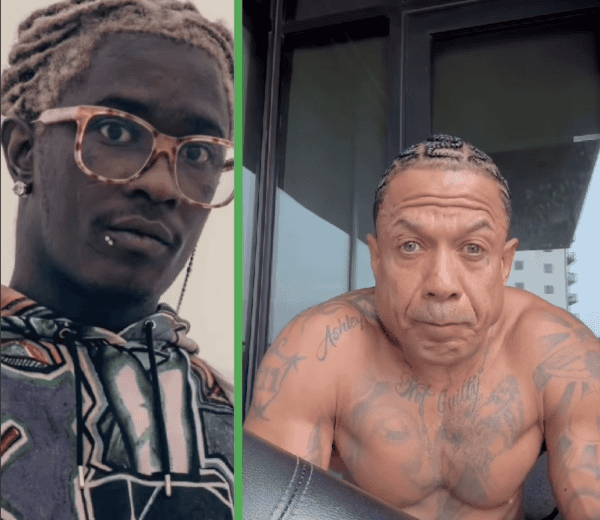
Benzino, the rapper-turned-reality TV figure whose career has spanned decades and included headline-making clashes with 50 Cent, Eminem, Fat Joe, and even his daughter Coi Leray, is once again at the center of controversy; this time weighing in on the ongoing leaks of Young Thug’s jailhouse phone calls.
In a video posted September 6, Benzino questioned how recordings from the Cobb County Jail have repeatedly surfaced online, suggesting government involvement in distributing the calls. “What I’m more surprised at and more kind of pissed off at is, how the fuck is this even constitutional that a prison, which is part of the system, right? can leak private phone calls,” he said.
The calls, made while Young Thug, whose real name is Jeffrey Williams, was held on RICO charges from May 2022 to October 2024, are legally monitored but rarely released outside of court proceedings. The rapper suggested that the absence of media watermarks pointed away from outlets like TMZ and instead toward official hands. “I guarantee the government’s leaking them, because they know what they’re doing,” Benzino said, alleging that state and federal communications staff use digital platforms to shape public perception.
Benzino argued that the leaked conversations were harmless and did nothing to advance the prosecution’s case. “He’s not talking about no drug shit. Not talking about murdering anybody. He’s just talking about regular shit that everybody talks about,” he explained.
He also criticized fans for consuming the leaks as entertainment rather than supporting Young Thug’s music. “You mother fuckers can’t wait to hear the next phone call. But then judge and criticize and condemn the mother fucker doing it,” Benzino said.
The remarks touch on a broader constitutional question: whether the release of monitored inmate communications outside of trial undermines privacy rights and due process. Prosecutors have yet to comment on the source of the leaks.
Benzino closed his comments by urging restraint and empathy, framing the controversy as both a cultural and constitutional issue. “We gotta stop judging, man,” he said.