For Philadelphia’s DJ NA$H, music is more than just a mix of beats, it’s the foundation for a movement. As the founder of Interna$hional Bounce, she has transformed her monthly parties and annual Juneteenth festival into powerful cultural forces, creating spaces for Black joy, community, and empowerment in a city where Black-owned businesses often face an uphill battle. Now, as a recipient of the Rémy Martin This Is My City microgrant and a new mentee of legendary DJ Suss One, Na$h is poised to expand her mission beyond the turntables.
Speaking with The Source, she discusses her unique philosophy on business, the importance of reinvesting in the community, and how she’s using her platform to set a new standard for fair compensation and opportunity for Black creatives in Philadelphia.
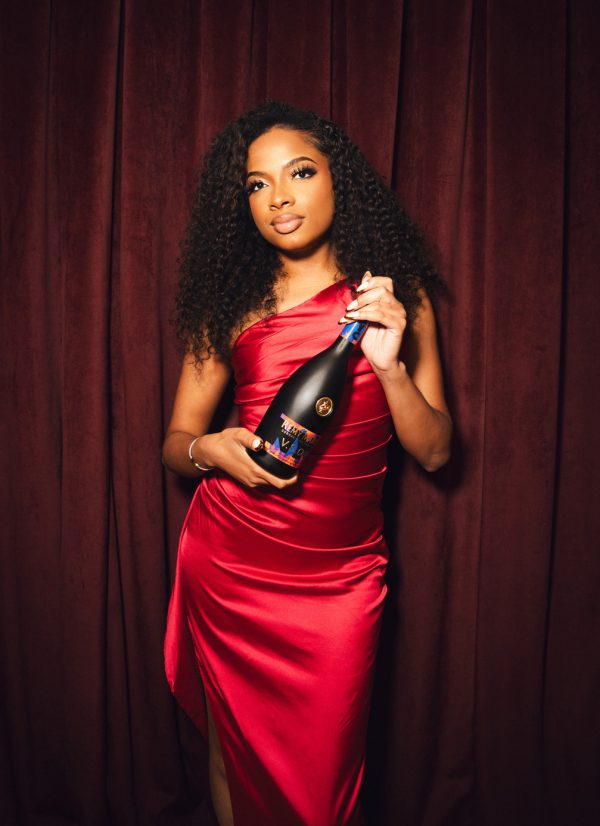
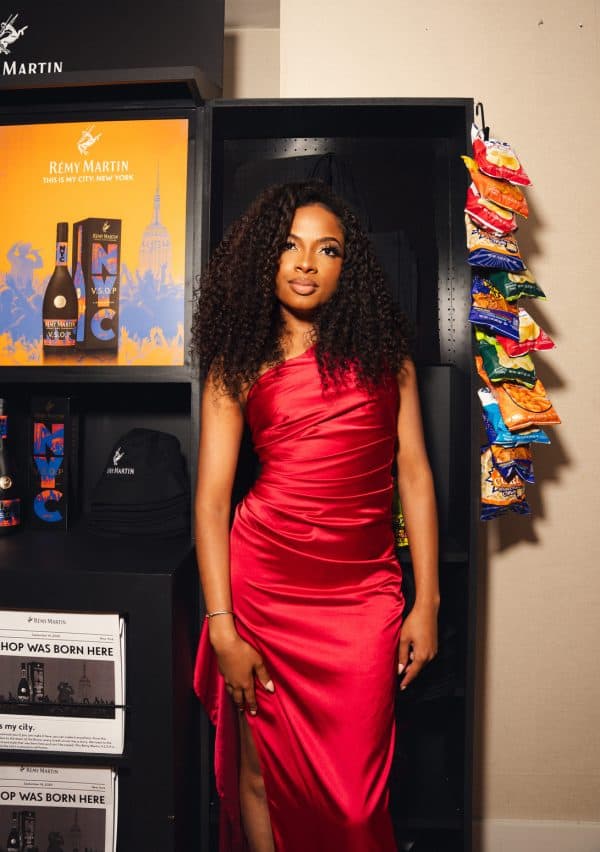
The SOURCE: Philadelphia has a challenging landscape for Black-owned businesses, with a low survival rate. What specific strategies or philosophies have you implemented that have allowed Interna$hional Bounce to not only overcome these statistics but also become such a pivotal cultural force in the city?
DJ NA$H: Philadelphia has always been a tough landscape for Black-owned businesses, but I’ve approached Interna$hional Bounce with the mindset that sustainability comes from community first. From day one, my philosophy has been to build something rooted in authenticity – uplifting the culture, paying people fairly, and creating experiences that people feel proud to be a part of. I’ve also leaned into collaboration over competition, partnering with other creatives, local businesses, and institutions to expand our reach while keeping our foundation strong.
By staying true to our values and constantly reinvesting back into the community, Interna$hional Bounce has grown beyond just a party series and into a cultural force. The strategy is simple but powerful: lead with intention, honor the people who help build the platform, and make sure the impact lasts longer than the event itself. Rémy Martin through their This is My City initiative, has really recognized this need and stepped up to help creatives like me keep pushing culture forward.
With the success of your monthly parties and the Juneteenth festival, you’ve created a movement that centers on Black joy and freedom. How do you intentionally curate these spaces and experiences to ensure they feel both celebratory and safe for the Black community?
I curate these spaces with intention, making sure every detail, from the lineup to the vendors to the way the room feels, centers Black joy and safety. It’s about more than a party; it’s about creating environments where our community feels celebrated, protected, and valued. That’s how Interna$hional Bounce and the Juneteenth Festival become not just events, but cultural homecomings.
The This Is My City microgrant from Rémy Martin is a major achievement. How do you plan to use the 20,000 and the mentorship from DJ Suss One to further expand the impact of Interna$hional Bounce and your mission to support Black creatives?
The This Is My City microgrant from Rémy Martin is such an important milestone, because it gives me both resources and mentorship to keep scaling Interna$hional Bounce with intention. I plan to use the $20,000 to expand programming that directly supports Black creatives – whether that’s paying artists equitably, investing in workshops, or building infrastructure for our Juneteenth Festival and monthly events. Having DJ Suss One as a mentor also means I get guidance on how to grow sustainably while keeping the culture at the center.
Beyond the parties and festivals, you also integrate dance workshops and civic programming into your work. Why is it important for you to merge culture with wellness and economic reinvestment, and what kind of long-term impact are you hoping these programs will have on the community?
For me, the music and parties are just the entry point. They’re the spark that brings people together, but the bigger mission has always been about creating spaces where culture can also translate into healing, learning, and opportunity. That’s why I integrate dance workshops and civic programming into what I do.
Dance workshops promote wellness in a way that feels natural to our communities through movement, joy, and connection. At the same time, civic programming makes sure that while people are enjoying themselves, they also have access to resources, whether that’s voter registration, small business education, or community health information.
Merging culture with wellness and economic reinvestment means the impact lasts long after the music stops. It’s about creating a cycle where the energy we build together flows back into our communities so Black and brown people aren’t just celebrated, but consistently resourced, empowered, and positioned to thrive.
As a Black woman DJ leading a platform of this scale, you’ve made it a mission to combat the underpayment of Black creatives in Philadelphia. Can you share some of the specific challenges you’ve encountered in this effort and how you hope to set a new standard for fair compensation and opportunity?
Rémy Martin talks a lot about legacy, and for me, that means creating a platform that lasts, something that gives Black creatives not only opportunities now but also sets up the next generation for success.