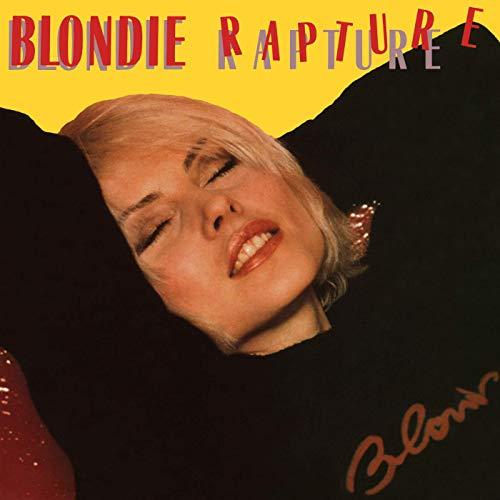
On this date 45 years ago, Blondie released “Rapture,” a genre bending single that quietly became one of the most important crossover records in Hip Hop history. Released in 1981 from the album Autoamerican, the song did far more than expand the band’s sonic palette. It helped introduce rap music and Hip Hop culture to a global mainstream audience at a time when the genre was still largely confined to New York City neighborhoods.
“Rapture” blended new wave, disco, funk, and spoken word rap into something unfamiliar yet accessible. Debbie Harry’s rhythmic verses referenced early Hip Hop figures and scenes, including Fab Five Freddy, who also appeared in the song’s groundbreaking video. That visual went on to become one of the first music videos to feature rap and graffiti culture in regular rotation on MTV, long before Hip Hop became a dominant commercial force.
The song also made history by becoming the first record with rap vocals to reach number one on the Billboard Hot 100. That achievement positioned “Rapture” as a cultural bridge, connecting downtown art spaces, emerging Hip Hop culture, and mainstream pop radio. While Blondie was never a Hip Hop group, their genuine proximity to New York’s creative underground gave the record an authenticity that resonated beyond novelty.
Over the years, “Rapture” has been directly sampled and reinterpreted by Hip Hop artists who understood its place in the culture. Its most famous rebirth came in 1997, when KRS One released “Step Into a World (Rapture’s Delight),” flipping the original melody and title into a full circle moment that honored Hip Hop’s growth while reclaiming the sound on its own terms. That track became a defining anthem of late 1990s rap and solidified “Rapture” as a foundational influence rather than an outlier.
Beyond KRS One, elements of “Rapture” have appeared in various forms across Hip Hop, whether through direct sampling, interpolation, or stylistic homage. Its DNA can be felt in records that borrow its cadence, melodic structure, or conceptual blending of genres. What began as a pop experiment ultimately became a reference point for artists navigating the space between innovation and tradition.
Forty five years later, “Rapture” stands as more than a hit single. It represents a moment when Hip Hop briefly entered the mainstream through an unexpected door, long before it kicked the door down on its own. Its legacy lives on in the records it inspired and the conversations it started, making it one of the most quietly influential songs in the culture’s history.