
Expanding your business or starting a new one in another country can feel like stepping into a completely different world. Different rules, different cultures, different opportunities. But that’s also exactly why it can be so powerful. Starting a business abroad gives you options, growing faster, and learning lessons you can’t get at home.
Sure, there’s paperwork, loans, taxes, and local regulations to navigate. But that’s exactly why having a clear roadmap makes all the difference. With the right plan, the right research, and the right support, setting up a company abroad can be smoother than you imagine.
So let’s get into the steps you can take to start a company abroad.
Preparing to Start a Business Abroad
Starting a business in another country isn’t something you should rush into. The more groundwork you do upfront, the smoother everything else will be. Here are the first three steps that set the foundation for your global venture.
Understand Your Goals and Why You’re Going Abroad
Before you even look at countries or legal forms, ask yourself why you want to take your business abroad. Are you looking for new customers, lower taxes, access to better resources, or simply a lifestyle change? Understanding your motivations clearly will guide every decision you make later.
Davit Avazashvili, Founder & Managing Director of Georgiafy – complete relocation services for Georgia, says, “Clarity in goals makes international expansion smoother. Knowing why a business is relocating helps identify the best country, structure, and incentives, ensuring every step supports growth and long-term success.”
Write down your goals in plain language. For example:
- “I want to sell my products in Europe because my current market is saturated.”
- “I want a company structure that makes it easier to raise international investment.”
Spotify is a good example here. They’re originally from Sweden, expanded internationally because the Swedish market was too small to sustain growth.
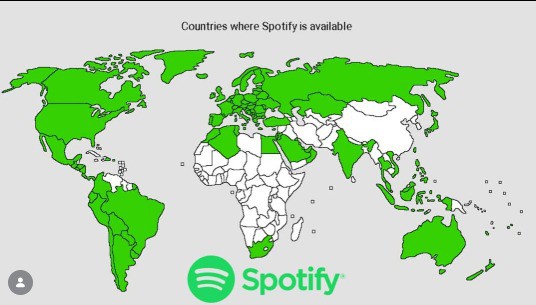
Image Source: Instagram
Their goal wasn’t just revenue; it was to capture global music audiences. By understanding that goal, Spotify focused on countries with strong digital infrastructure and music licensing agreements that supported their model, rather than trying to scale randomly.
Knowing your “why” first prevents costly mistakes later, like entering markets that don’t fit your business model or wasting time on unnecessary legal hurdles.
“Expanding globally works best when every decision aligns with the company’s core objectives,” Kyle R Smith, Director of Boost Promotional Products. “Choosing the right markets, structures, and partnerships ensures growth is strategic and sustainable, avoiding wasted effort and unexpected costs.”
Do Detailed Market Research
Once you know your goals, it’s time to research your potential markets. Don’t rely on vague ideas like “I heard it’s good to do business in X country.” Dig into real data and trends:
- Who are your competitors, and what are they doing well?
- What is the customer demand for your product or service?
- Are there cultural, language, or regulatory factors that will affect your business?
Karen Noryko, Career Content Director at Jobtrees, explains, “Thorough research uncovers opportunities others might miss. Understanding local trends, customer behavior, and cultural nuances ensures that expansion decisions are informed and increases the chances of success in a new market.”
Use a mix of online research, local news, industry reports, and even reach out to local businesses or consultants. First-hand insight is invaluable.
Airbnb didn’t just open in every country randomly. Before expanding to Japan, they studied local regulations, customer behavior, and cultural habits — like the importance of personal space and etiquette in renting homes.

Image Source: Airbnb Newsroom
That research shaped how they marketed their platform and built trust with hosts, making the expansion successful.
This step is critical. Jake Emmanuel, Business Owner & CEO of Tree Service Company, explains, “A misjudged market can sink a business before it even launches.”
Choose the Right Country
After understanding your goals and researching markets, narrow down your country choices. This isn’t just about low taxes or a fancy address—it’s about fit.
Ask yourself:
- Does the country have a stable political and economic environment?
- Are the regulations foreign-friendly?
- What are the costs of doing business (office, labor, logistics)?
- Are there incentives for foreign entrepreneurs?
Compare 3–5 countries using a simple pros and cons table. Rank them based on business climate, taxes, ease of registration, and access to customers.
In an interview, Timothy Allen, Sr. Corporate Investigator at Oberheiden P.C., mentions, “Choosing the right country requires careful evaluation of risks and opportunities. Due diligence ensures that political stability, regulations, and costs support long-term growth and reduce surprises that could derail the business.”
Legal and Business Setup
Once you’ve researched your market and chosen a country, it’s time to make your business official. This is where most entrepreneurs get stuck.
Choose the Right Business Structure
Every country has multiple ways to structure a business, and picking the right one is crucial. The structure you choose affects taxes, liability, ownership, and your ability to raise funds. Common options include:
- LLC / Limited Company: Protects personal assets, flexible ownership.
- Corporation / Joint-Stock Company: Better for raising investors but more complex compliance.
- Branch of Existing Company: Useful if you already have a business at home.
- Partnership: Simple, but personal liability is higher.
LJ Tabango, Founder & CEO of Leak Experts USA, adds, “Selecting the right structure is about balancing protection and growth. Just as preventing leaks safeguards a building, choosing the right business entity protects personal assets and ensures operations run smoothly while pursuing expansion.”
Think long-term. If you plan to raise international investment, some structures (like a corporation) are more attractive to investors. If you want simplicity and low cost, an LLC may make more sense.
Focus on liability, tax implications, and growth potential when deciding.
Register Your Business
This is the official step that makes your business “real” in the eyes of the government. Registration requirements differ by country but usually involve:
- Submitting your business name and structure
- Providing proof of identity and address
- Paying registration fees
“Proper registration is the foundation for smooth operations. Getting the paperwork right from the start prevents costly mistakes later and ensures the business can run efficiently under local laws,” explains Jason Lewis, Owner at Sell My House Fast Utah.
McDonald’s, when expanding into India, registered each restaurant under a local subsidiary rather than operating directly through the U.S. company.
Image Source: Indian Retailer
This allowed them to comply with local laws on foreign ownership, pay local taxes properly, and manage operations smoothly with local partners. The structure was crucial for their successful adaptation to the Indian market, including menu adjustments and supply chain management.
Hire a local consultant or lawyer to help with registration — it may cost a little upfront, but it prevents mistakes that could cost far more later.
“Choosing the right local partners and structure makes a real difference in execution. Compliance and smooth operations aren’t just legal formalities — they set the stage for growth, customer satisfaction, and long-term success,” adds Savas Bozkurt, Owner of Royal Restoration DMV.
Get Necessary Licenses and Permits
After registration, check what specific permits or licenses you need. These often depend on:
- Your industry (restaurants, e-commerce, manufacturing, etc.)
- Location (city-level regulations, zoning laws)
- Special requirements (health inspections, import/export permits)
Dan Close, Founder and CEO of BuyingHomes.com, adds, “Keeping all permits and licenses in order is essential for smooth operations. Missing even one requirement can lead to fines or delays, so careful tracking ensures the business stays compliant and avoids unnecessary risks.”
Make a checklist of all required licenses. Missing even one can result in fines or business closure. Local chambers of commerce, business associations, or government websites are usually good starting points.
Financing Your Overseas Venture
Getting your business off the ground abroad usually requires money, sometimes a lot. This part covers how to fund your venture, including loans, alternative funding, and preparing to attract investors.
Understand Your Funding Options
Before you start applying for money, it’s important to know what’s available. Funding typically falls into a few categories:
- Personal savings: The simplest source but also the riskiest if you overcommit.
- Bank loans: Local or international banks may provide loans for foreign entrepreneurs, often requiring collateral or proof of business potential.
- Grants and incentives: Some countries offer programs for foreign businesses, like innovation grants or tax credits.
- Investors: Venture capital or angel investors may fund you in exchange for equity.
According to Rachel Sinclair, Acquisitions Director at US Gold and Coin, “Understanding available funding sources helps plan strategically. Mapping costs and identifying realistic options ensures entrepreneurs can cover initial expenses without overextending, making growth more secure and predictable.”
Start by mapping out exactly how much you need, including registration, initial operations, staffing, and contingency funds. This gives you a clear picture of which funding sources are realistic.
Securing Loans Abroad
Getting a loan in a foreign country can be tricky, but it’s doable if you prepare properly.
Here’s a simple approach:
- Choose the right bank: Some banks specialize in helping foreign entrepreneurs.
- Prepare your documents: Business plan, financial projections, identification, proof of registration, and sometimes collateral.
- Understand requirements: Some banks require local partners or proof of a local bank account.
Raj Dosanjh, CEO of RentRound, explains, “Successful foreign financing comes down to preparation and clarity. Banks respond to well-prepared plans and clear documentation, which shows the business can generate revenue and meet repayment obligations.”
Present your business plan clearly — banks want to see that you understand the market, can generate revenue, and can repay the loan.
Explore Alternative Funding Sources
If traditional loans aren’t available or practical, there are other ways to fund your business:
- Venture capital (VC): Best if your business can scale quickly. VCs bring money, guidance, and connections but take equity.
- Angel investors: Individuals who invest smaller amounts than VCs, often in exchange for advice or mentorship.
- Crowdfunding: Platforms like Kickstarter or Indiegogo can help raise funds while testing market interest.
- Supplier or partner financing: Sometimes suppliers or local partners are willing to provide credit if it helps them grow business with you.
Coral Jacobs, Founder & Business Owner of AJ Home Loans Gladstone, says, “Always weigh the cost of giving up equity against the benefit of the funding. If your business doesn’t need huge upfront investment, loans or personal capital may be better.”
Taxes, Compliance, and Building Your Business Abroad
After funding your venture, the next step is to make sure your business is legally and operationally solid. Taxes, ongoing compliance, and infrastructure are often where entrepreneurs face the most headaches — but handled right, they become a competitive advantage.
According to Justin Schnitzer, Founder & Managing Partner at The Law Office of Justin Schnitzer, “Starting a company abroad is exciting, but without a thorough understanding of the legal landscape, from entity selection to regulatory compliance and tax obligations, entrepreneurs often face unexpected pitfalls. When expanding internationally, founders must consider how business structures in foreign jurisdictions impact liability, operational flexibility, and tax exposure.”
Understand Local Tax Laws
Taxes are one of the biggest reasons businesses fail abroad. Each country has its own system, and ignoring it can be expensive.
Key things to check:
- Corporate income tax rate
- VAT/GST or sales tax requirements
- Payroll taxes for employees
- Filing deadlines and reporting requirements
Look for double taxation agreements. These treaties prevent you from paying taxes twice if you earn money in more than one country.
Troy Chesterton, Partner of CSC Accountants, shares, “Understanding tax obligations is critical for international success. Being aware of corporate rates, reporting requirements, and treaties ensures businesses stay compliant and avoid costly surprises while operating abroad.”
Manage Taxes Efficiently
Once you understand the rules, it’s time to put a system in place so taxes don’t become a burden.
Simple strategies:
- Keep clear records of all income, expenses, and invoices.
- Use accounting software that works in your country.
- Separate personal and business accounts.
Raja Ravel, Bridging Loan Broker & Lead Adviser at BridgeLoanDirect.co.uk, shares, “A solid system keeps taxes from becoming a roadblock. Clear records, proper accounts, and strategic planning ensure compliance while freeing resources to focus on growth and operations.”
Consider legal tax optimization strategies, like structuring your revenue flow efficiently.
Build Your Business Infrastructure
Finally, you need the operational backbone to grow your company abroad. This includes:
- Hiring: Decide whether to hire local staff or relocate employees. Understand labor laws, contracts, and benefits.
- Operations: Office space, virtual offices, logistics, or co-working spaces.
- Marketing and Sales: Adapt your branding and marketing to local culture.
- Technology: Set up accounting systems, banking, and payment processing that comply locally.
Mark Pike, Owner of Denver Janitorial, says, “Strong infrastructure is the backbone of growth. In any service-based business, efficient operations, clear processes, and the right local team allow expansion to succeed smoothly without operational bottlenecks.”
Start small and scalable. You don’t need a full office day one—virtual teams, local partnerships, or co-working spaces can help you test the market first.
Protect Your Business and Assets
Any long-term overseas business needs protection — legally, financially, and strategically.
Key areas to focus on:
- Intellectual property: Register trademarks, patents, and copyrights locally.
- Legal protections: Contracts, agreements, and liability insurance.
- Financial safeguards: Diversify revenue streams and maintain emergency funds.
- Exit strategy: Plan for what happens if you need to sell, merge, or pivot.
“Protecting your digital and physical assets is critical for growth,” said Sam Williams, E-commerce Manager at Tiletopia.com. “In e-commerce, safeguarding your online platforms, customer data, and intellectual property ensures that international expansion is secure and that unexpected challenges don’t disrupt operations.”
Think of this as a safety net. You want your business to grow, but also to survive unexpected challenges like market shifts, legal changes, or economic crises.
Build a Strong Global Brand and Reputation
Running a business abroad isn’t just about selling products or services—it’s about being known and trusted in every market you enter. Your brand becomes your most valuable asset.
Alison Lancaster, CEO of Pressat.co.uk, says, “A brand is the bridge between a company and its global audience. Consistency, credibility, and clear messaging make every market more receptive and build trust faster than any advertising campaign.”
Key actions:
- Adapt your brand locally: Adjust messaging, packaging, and marketing to fit cultural norms while keeping your core identity.
- Maintain consistency: Ensure quality, service, and values are consistent across all countries.
- Engage with local communities: Sponsor events, collaborate with local influencers, or support local causes.
- Leverage digital presence: Social media, SEO, and localized websites build recognition and trust quickly.
Your reputation travels faster than your product. A strong global brand creates loyal customers, attracts talent, and opens doors to new markets.
Alfred Christ, Digital Marketing Manager at Robotime, shares, “Digital presence amplifies reputation across borders. A well-managed online strategy, including localized content and social engagement, helps brands gain credibility and loyalty in new markets quickly.”
Conclusion
Starting a business abroad looks complicated at first. New rules, different cultures, taxes, loans — it can feel like a lot. But the truth is, every successful international business started with the same first step: preparation.
By following the steps in this guide — clarifying your goals, researching your market, choosing the right country, handling legal setup, securing funding, and managing taxes — you create a roadmap that takes the guesswork out of going global. Each step builds on the last, so when you launch, you’re stepping forward with confidence.