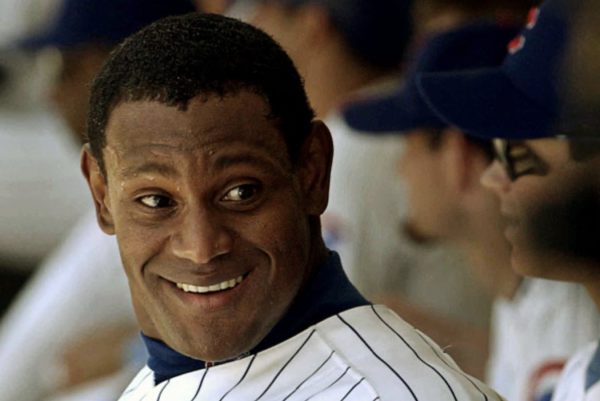
Recently unsealed materials connected to litigation involving the late financier Jeffrey Epstein have renewed public attention on a wide range of prominent names, including baseball legend Sammy Sosa and Los Angeles Dodgers co-owner Todd Boehly. The documents, which include emails and tip line submissions, have prompted online discussion while also underscoring the importance of distinguishing between documented contact, unverified claims, and proven misconduct.
According to disclosed emails included in the released materials, Epstein arranged two meetings with Boehly in 2011. The correspondence is notable because it occurred three years after Epstein had already served a prison sentence in Florida for sex related crimes. The emails do not describe the substance of the meetings or allege any illegal activity involving Boehly. Legal experts emphasize that the presence of a name in Epstein-related communications does not indicate wrongdoing and, in many cases, reflects the breadth of Epstein’s efforts to reconnect with influential figures following his release.

Boehly has not been accused of any crime in connection with Epstein, and there is no indication from law enforcement that he is or has been under investigation related to Epstein’s activities. His inclusion in the documents stems solely from the existence of the emails noting attempted or scheduled meetings.
The materials also reference an unverified tip line submission that mentions Sammy Sosa. The document states that “in 2004 or 2005, Sir Ivan Wilzig hosted a party where Jeffrey Epstein, Sammy Sosa, and Donald Trump were in attendance.” The submission does not provide supporting evidence, corroboration, or further detail, and it remains explicitly unverified. Tip line entries of this nature are often included in investigative files regardless of their reliability, and they are not treated as established fact without independent confirmation.
Sosa, one of the most recognizable figures in baseball history, has not been accused of any crime or misconduct related to Epstein. There are no allegations tying him to Epstein’s criminal activity, and no legal action has been taken against him in this context. As with many names appearing in the Epstein files, his mention reflects association claims that have not been substantiated.
Sir Ivan Wilzig, a music industry executive and investor, has previously been connected to high-profile social gatherings involving celebrities and business figures. However, the document’s claim regarding the alleged party remains unproven, and no additional records have emerged to confirm the account.
The renewed focus on these documents highlights the complexity of Epstein-related disclosures. Courts have stressed that the unsealing of records is meant to promote transparency, not to assign guilt by association. Many of the individuals named were never charged, questioned by authorities, or linked to criminal behavior beyond social or professional proximity.
For Sosa and Boehly, the current reporting does not allege criminal conduct, nor does it suggest involvement in Epstein’s crimes. Their names appear in different contexts within a vast collection of materials that span years of investigation, tips, and correspondence.
As the public continues to parse the Epstein files, legal analysts caution against drawing conclusions from mentions alone. Inclusion in documents, emails, or tip line reports does not constitute evidence of wrongdoing. At present, neither Sammy Sosa nor Todd Boehly faces accusations, charges, or legal consequences related to Jeffrey Epstein.