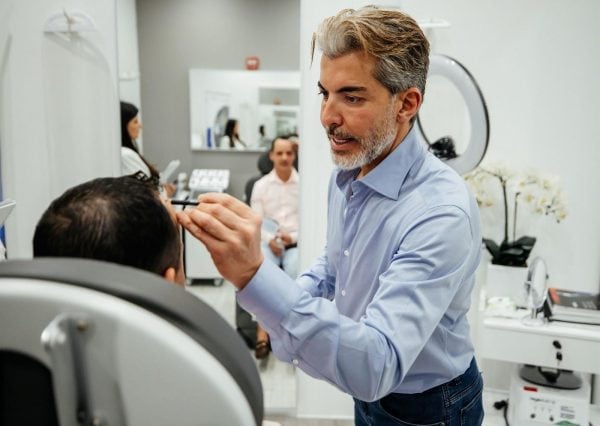
In 2026, visual presence speaks before words do. Hair, facial upkeep, and overall grooming have become quiet indicators of confidence, self-awareness, and cultural alignment. Within urban style, these choices aren’t about perfection—they’re about intention.
What was once a quick stop at the barbershop has evolved into a broader conversation around identity. Today’s looks are designed to move fluidly between city life and digital space, between real-world presence and on-camera visibility.
The Fade, Reimagined
The fade is still a staple—but its role has changed. This year favors subtle blends over dramatic contrasts, natural transitions over razor-sharp lines. Barbers are cutting with longevity in mind, paying closer attention to head shape, texture, and how a style matures over time.
Low tapers, shadow fades, and textured tops dominate because they feel lived-in rather than overworked. The goal isn’t to look freshly cut for two days—it’s to look intentional for weeks. Longevity has become the new luxury.
Hair Health Became Non-Negotiable
One of the clearest shifts in 2026 is how openly people talk about density, scalp health, and prevention. Grooming routines now borrow heavily from skincare culture: exfoliation, targeted serums, ingredient awareness, and consistency.
That mindset shows up online as well. Searches like hair transplant before and after are no longer driven by shock value. They’re part of a research process—people want realistic timelines, honest outcomes, and results that feel achievable, not filtered.
Social Media Changed the Conversation
Short-form video didn’t just popularize styles—it raised expectations. Barbers, trichologists, and grooming specialists now break down techniques and decision-making in real time. Clients arrive informed, curious, and selective.
This transparency has also widened the lens globally. Interest in destinations like hair transplant Turkey reflects a shift toward comparing expertise and methodology across borders. The conversation is less about trends and more about understanding where quality actually lives.
For many, this awareness started simply—by seeing themselves on camera more than ever. Video calls, clips, reflections they couldn’t unsee. Grooming stopped being abstract and became personal.
Facial Hair Goes Softer, Not Sharper
Beards haven’t disappeared—they’ve matured. The current approach favors balance: clean lines without harsh edges, density without heaviness. Faded beards are still popular, but with contours designed to complement facial structure rather than dominate it.
Eyebrow grooming and subtle facial symmetry adjustments are also becoming standard, especially for those frequently on screen. The goal isn’t a sculpted look frozen in place—it’s natural definition that holds up in motion and under different lighting.
Grooming as a Long-Term Investment
What defines 2026 isn’t extravagance—it’s clarity. People are making informed decisions about upkeep, time, and long-term outcomes. Grooming is now treated like fitness or wellness: something you build consistently, not something you rush.
Even practical topics like hair transplant Turkey cost are discussed through the lens of value and expertise rather than shortcuts. The language has shifted from “cheap” to “worth it,” signaling a more informed, more intentional audience.
Practical Style Principles for 2026
If you’re navigating this year’s aesthetic shift, a few principles stand out:
- Choose cuts that evolve well, not just trend fast
- Treat scalp care with the same consistency as skincare
- Communicate outcomes—not just references—to your barber
- Invest in a few quality tools instead of constant replacements
- Think of months, not days, when planning changes
The Bigger Shift
Urban style in 2026 isn’t louder—it’s clearer. There’s less pressure to perform and more focus on alignment. People want to look like themselves, just sharper, healthier, and more intentional.
From refined fades to informed restoration choices, grooming is no longer about chasing attention. It’s about control,